05 Apr What Happens If I Don’t Remove My Wisdom Teeth? A Stillwater Oral Surgeon Explains the Risks
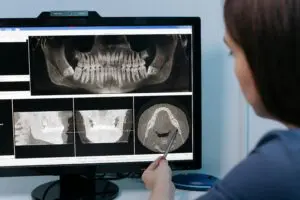

 Wisdom teeth can cause crowded teeth, infected or swollen gums, and jaw pain. Relief from these uncomfortable and painful symptoms often comes in the form of tooth extraction. Wisdom teeth removal in Stillwater, Oklahoma, is far easier than you might think with COOMSA. Our staff is ready to help you understand the procedure, put you at ease, and reduce any anxiety you might have about the process.
Here are some things Stillwater, OK, patients should know about wisdom tooth removal and how COOMSA can help.
Wisdom teeth can cause crowded teeth, infected or swollen gums, and jaw pain. Relief from these uncomfortable and painful symptoms often comes in the form of tooth extraction. Wisdom teeth removal in Stillwater, Oklahoma, is far easier than you might think with COOMSA. Our staff is ready to help you understand the procedure, put you at ease, and reduce any anxiety you might have about the process.
Here are some things Stillwater, OK, patients should know about wisdom tooth removal and how COOMSA can help.
 Your teen's wisdom teeth come in during their later adolescence or even into their early twenties, and these can become problems. They can push existing teeth out of alignment, and since they grow with serious force, they can even crack enamel. One of the first questions that oral health professionals hear whenever these last molars come up is, "If they can be so harmful to our oral health, why do we even have wisdom teeth in the first place?"
Here at Central Oklahoma Oral & Maxillofacial Surgery Associates in Stillwater, OK, we understand that sometimes, wisdom teeth need to go. If your child's dentist has recommended extraction of these molars, we provide quality, effective removal to help their smile stay safe. Wisdom teeth are evolutionary holdovers from a time when we ate raw meat, and now that our jaws are slimmer, people often don't have room for them along your oral ridge. So, if your teen is ready for wisdom teeth extraction, we are too.
That last set of molars can pose problems. When it's time to talk about their wisdom teeth, call COOMSA.
Your teen's wisdom teeth come in during their later adolescence or even into their early twenties, and these can become problems. They can push existing teeth out of alignment, and since they grow with serious force, they can even crack enamel. One of the first questions that oral health professionals hear whenever these last molars come up is, "If they can be so harmful to our oral health, why do we even have wisdom teeth in the first place?"
Here at Central Oklahoma Oral & Maxillofacial Surgery Associates in Stillwater, OK, we understand that sometimes, wisdom teeth need to go. If your child's dentist has recommended extraction of these molars, we provide quality, effective removal to help their smile stay safe. Wisdom teeth are evolutionary holdovers from a time when we ate raw meat, and now that our jaws are slimmer, people often don't have room for them along your oral ridge. So, if your teen is ready for wisdom teeth extraction, we are too.
That last set of molars can pose problems. When it's time to talk about their wisdom teeth, call COOMSA.
For many people, having wisdom teeth removed is a part of growing up and can be seen as a rite of passage. These late-blooming molars don’t usually appear until adulthood and can cause unexpected problems. There are several valid reasons why wisdom teeth removal is...
One of the most common oral surgeries is the removal of wisdom teeth. These final four molars are the last set of adult teeth to come in and usually don’t appear until you’re between 17 and 21 years old. If you haven’t had yours removed,...
If only wisdom teeth made you wiser. Instead, they tend to be painful annoyances that actually no longer serve a purpose in the modern day. Your wisdom teeth are the final four adult teeth to come through the gums, which tends to happen in early adult...
Wisdom teeth are also known as third molars. These are the teeth at the very back of your mouth, and they are usually the last teeth to erupt (push through the gum line). On average, each person has four wisdom teeth—one on each side on...
When the wisdom teeth are impacted, which is a common occurrence among modern humans with our relatively small jaws, they can cause discomfort. However, that doesn’t always happen, so patients shouldn’t assume that if they have no pain, their wisdom teeth aren’t impacted. Instead, if your...
Your wisdom teeth, also known as your third molars, are the largest teeth in your mouth. Unfortunately, their size means that many patients’ mouths won’t have enough room for them to erupt properly, leading them to become impacted. Because impacted wisdom teeth are associated with many...
When facing a procedure like wisdom teeth extraction, patients want to be as prepared as possible for their appointment and the recovery period thereafter. It can be helpful to know how long the procedure will take and how to prepare for it, for example. At your...